Exploring Rwanda: The Mountains
Exploring Rwanda: The Mountains
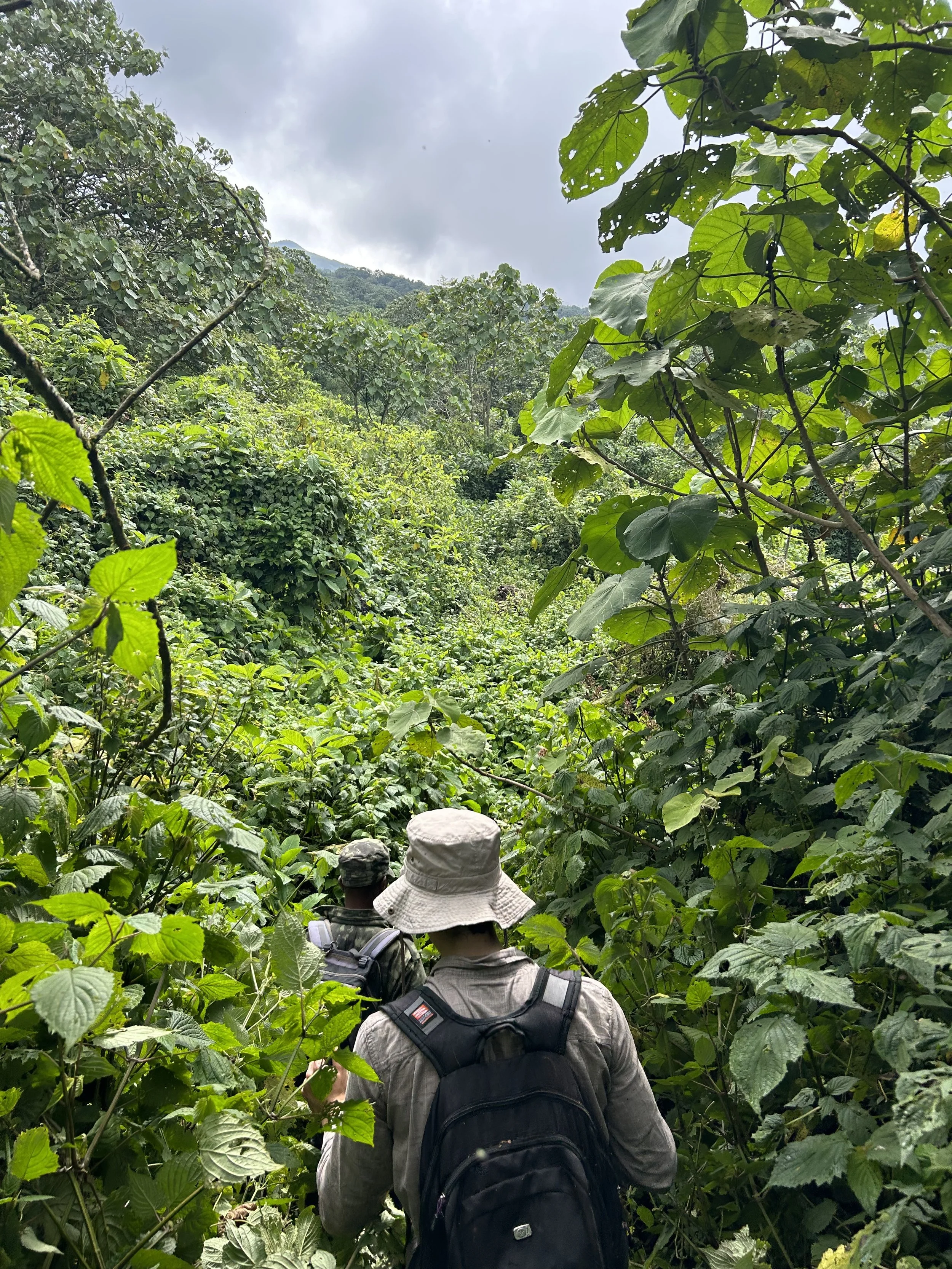
As I stared into the foggy jungle, I wondered: how did I get here? Three weeks ago I was home in the Bay, sipping coffee and scaling out a data processing pipeline, certain I had no travel plans for the next month. Now I was in a jeep bumping through the jungle in Rwanda, fighting to stay awake through the jetlag.
The full story behind that is a blog of its own, but the short version involves air and weather research, applying to a major conference without checking where it was held (because I never thought I'd get in), getting accepted, discovering the conference wanted to highlight a less-traveled part of the world, explaining to an angry wife why I was suddenly about to fly to central Africa, scrambling to get a pile of shots and paperwork done in almost no time, and taking off unsure of what I feared more — my wife or the adventure ahead.
I'll save the details for that follow-up, but that gives you a sense of how I ended up here.
Either way — after a 36-hour flight and a fistful of vaccinations — I figured I should make the most of it. I learned it was possible to see mountain gorillas nearby, so I reached out to my hotel, found a great local guide, and he picked me up early the next morning to begin the journey.
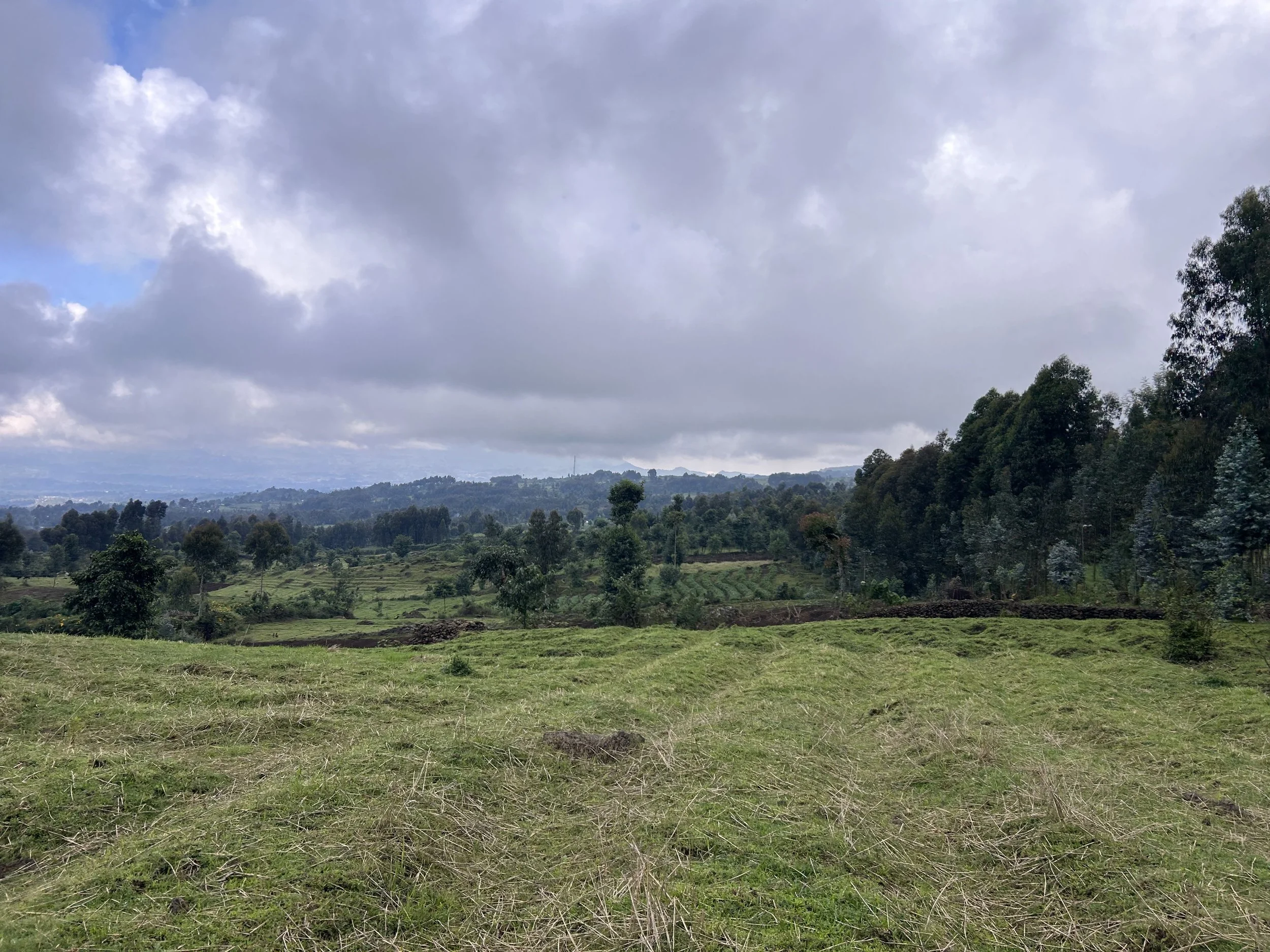
As we drove through the countryside, I chatted with my guide and took in the scenery. Rwanda is a country of hills and mountains, perched between the savannah and the Congo and laced with rivers and greenery. Rapidly developing villages line the roads, with freshly paved streets going in everywhere you look. My guide told me tourism was still relatively new and growing fast, and that the country was racing to build up its infrastructure.
He also shared some fascinating culture. Marriage customs, for instance, had recently run into a very modern problem. Traditionally, the groom's family provides cattle to the bride's family — but with rapid urbanization and so many couples now living in cities, where do you keep the cattle? After a lot of family debate, many had switched to a cash gift instead, and the government had begun setting aside communal grazing land so city-dwellers could still keep their cattle elsewhere. A fun conversation, even through the grogginess.
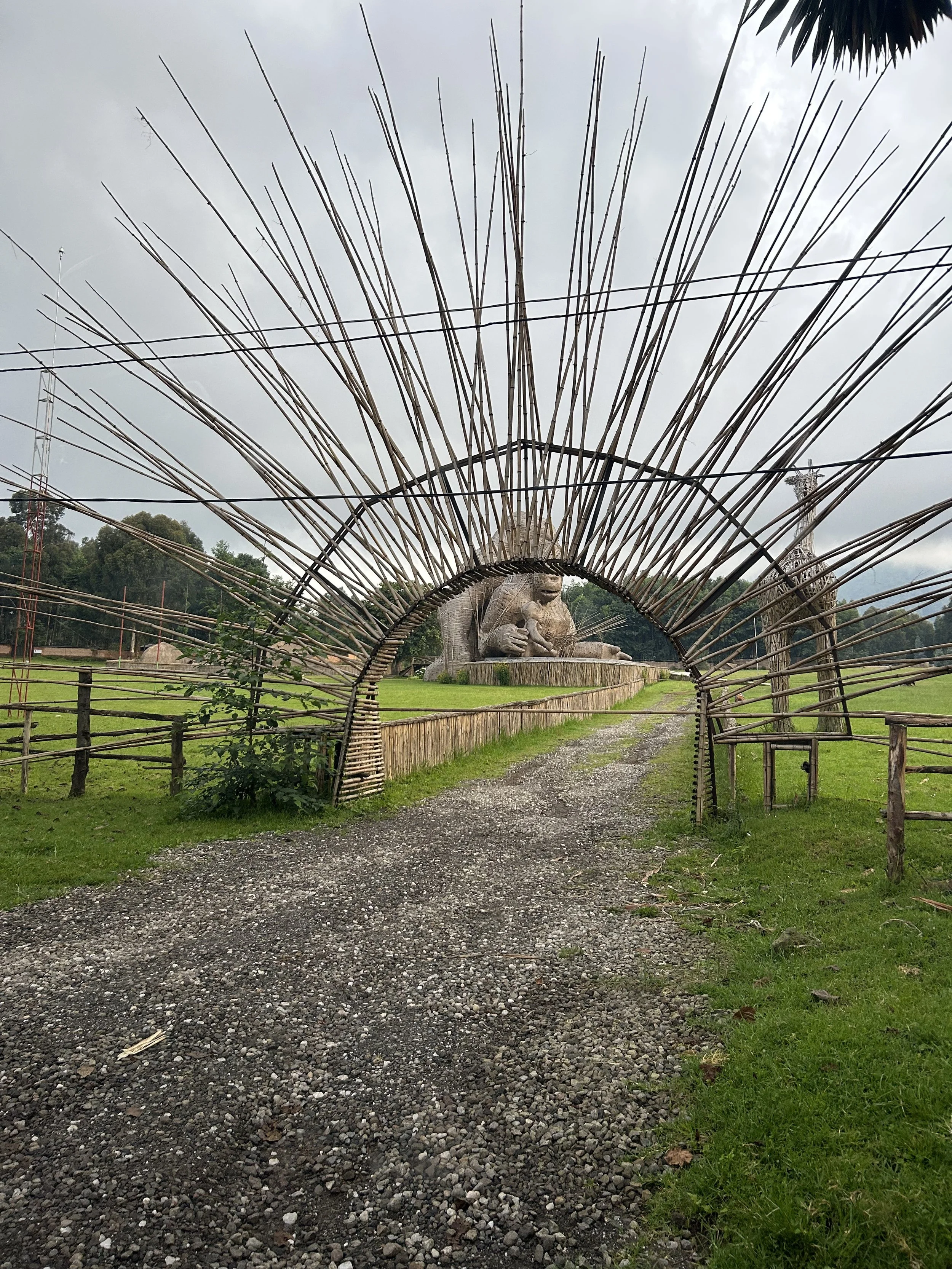
As we neared the destination, the Virunga Mountains came into view — a chain of peaks and active volcanoes straddling the border between Rwanda and the DRC — and with them, my first distant look at the DRC itself. I was taking in the view when a large wooden gorilla statue rose up ahead, and I realized we were nearly there. Time to prep for the hike.
We arrived and my driver introduced me to the guide who'd be escorting our group: me, two men from the UN, and two traveling researchers. We'd lucked out on timing, arriving right between the rainy and dry seasons, so it was neither soaking wet nor brutally hot. We geared up in protective clothing and set off into the jungle.
Our guide explained that rangers are stationed throughout the jungle to track and protect the gorillas and to scare off water buffalo — the most dangerous wildlife in the area. We got lucky again: a troop was only about an hour's hike away. The jungle was dense, and for much of the climb I was walking on overgrowth a yard thick — a few times I punched right through it and never felt the ground beneath me.
I spotted beautiful birds and some very large insects (the ants especially), but we managed to avoid the water buffalo and anything else dangerous.
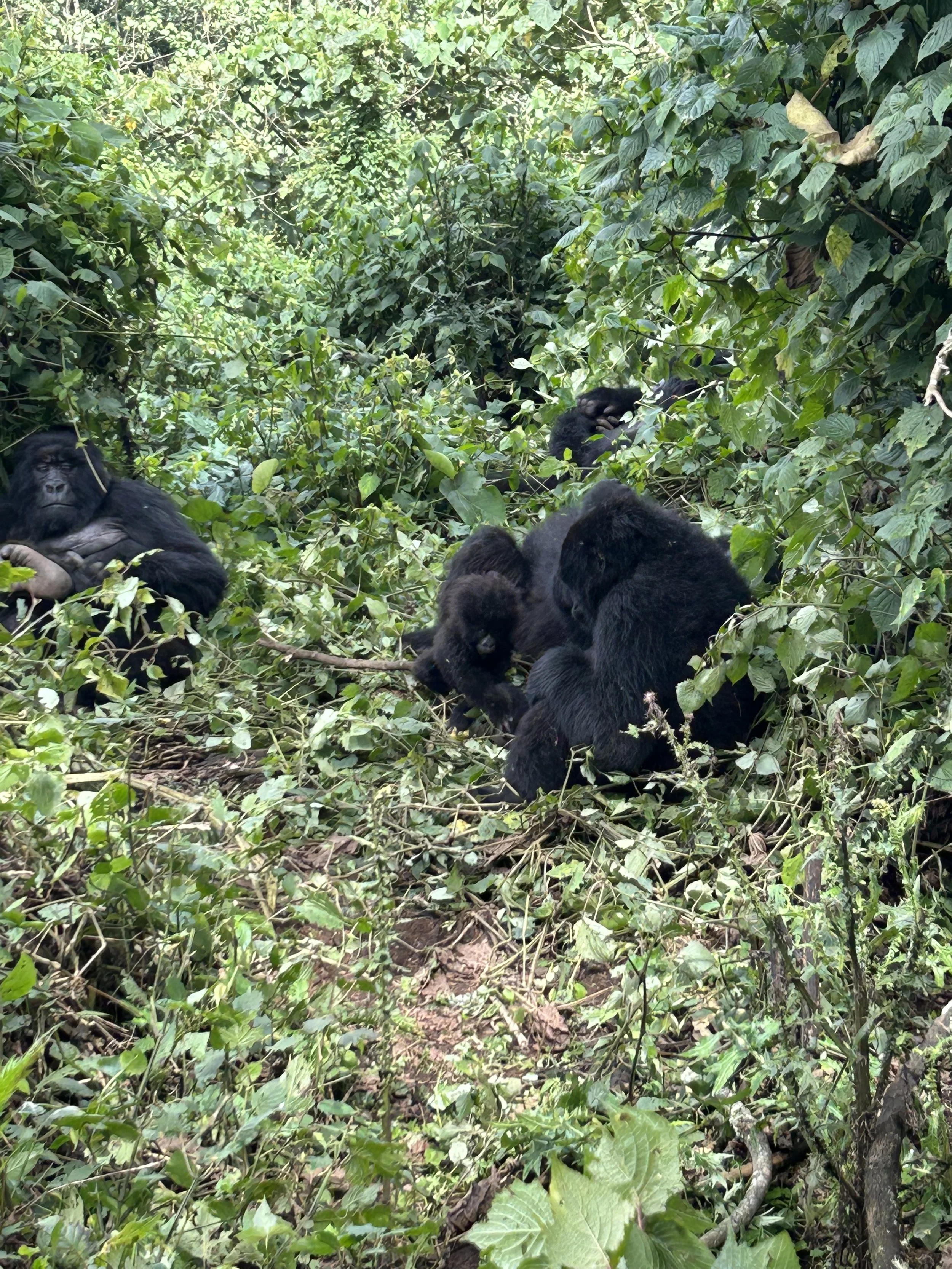
After an hour of climbing the jungle-covered mountain, we found them — a large troop with several babies and a silverback. They were astonishingly gentle. We learned that gorillas use a complex range of vocalizations, and the trackers can read what the troop is doing and feeling from those sounds alone. Our instructions were simple: follow slowly, don't make eye contact, don't point phones at their faces. Do that, and they'd see us as friendly — as long as we never challenged them or looked like a threat. The trackers could even tell from the calls when the gorillas were starting to get annoyed with us.
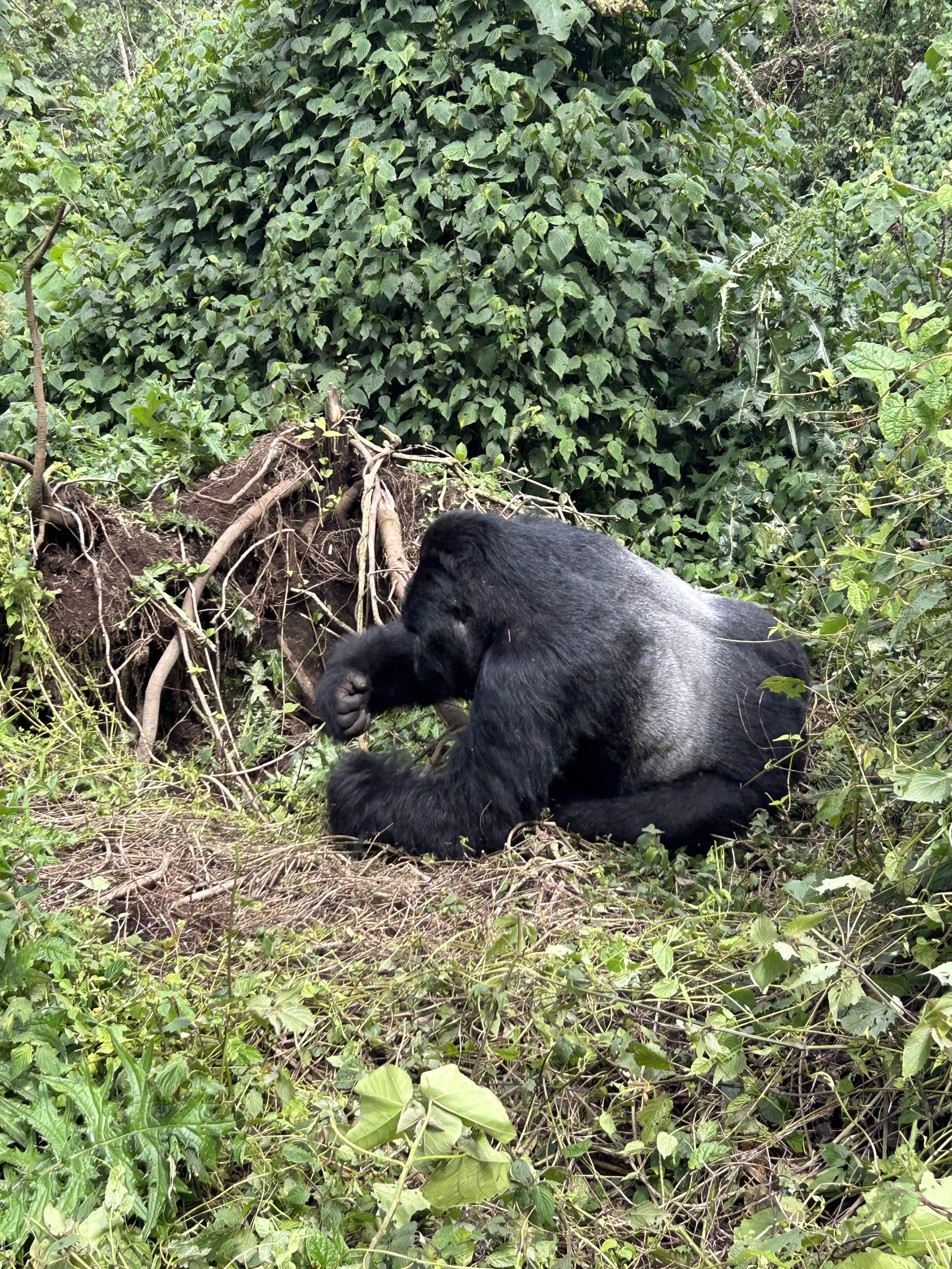
We spent about 30 minutes with them, following the troop through the jungle. Baby gorillas ran around us, playing and roughhousing like teenagers. The older ones ate or lounged while the silverback moseyed through the group. At one point he walked right up to within a foot of me before turning off to my right to grab something to eat. It was extraordinary — I'm still trying to find the words for it.
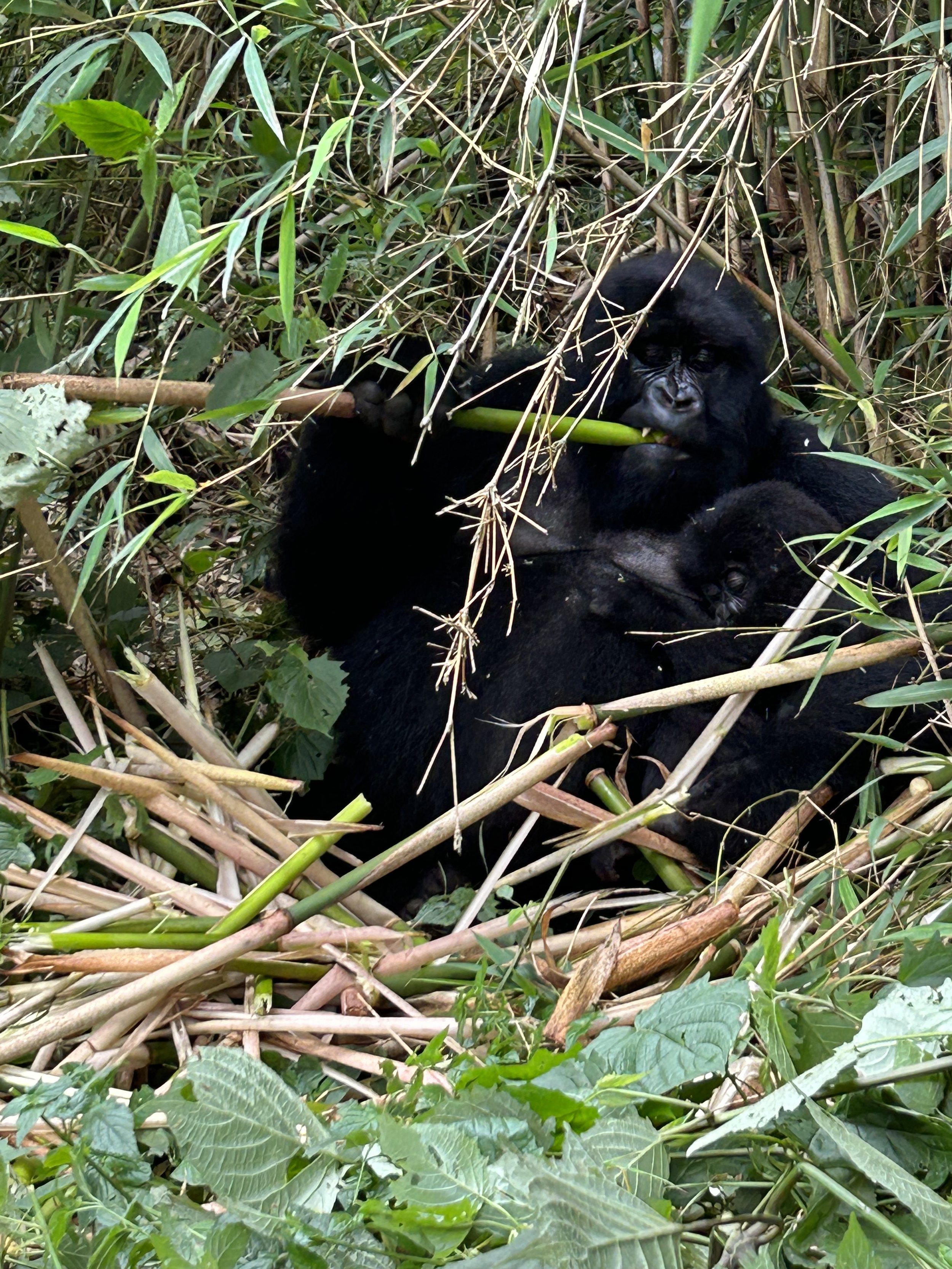
Thirty minutes is all you get; any longer and they worry it stresses the troop. So we left — and on the way out we passed a mother gorilla cradling her newborn, who glanced at us briefly before dozing off.
We made our way back down, another hour of trekking through the bush. We emerged into a different village from the one we'd started near, where locals were busy planting crops and working on their own new paved road. We exchanged waves and carried on. Gorilla tourism is huge for these communities, and given how wild the jungle is, it's simply understood that you come out wherever you can.
We got picked up and headed back, and I happily returned to my conversation with the driver and the passing scenery. An unforgettable experience — and one I'd recommend to anyone.